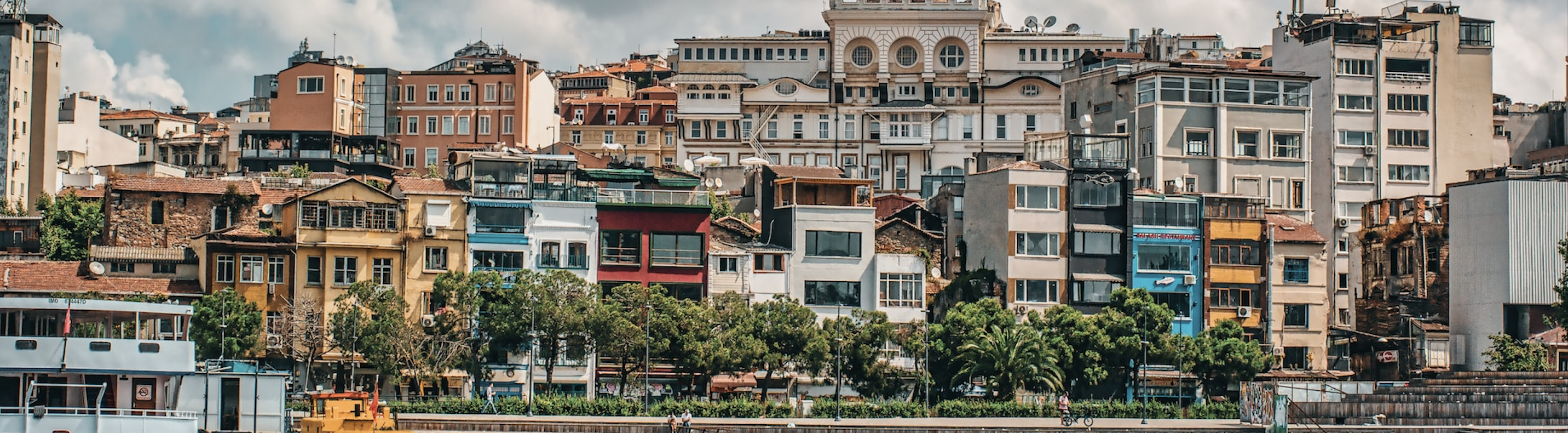
Istanbul (Turkey)
The SUPERSHINE Turkish fellow district is in Kadikoy, one of the central districts of the metropolitan city of Istanbul. The demo buildings composed of one block, 72 units, 13 floors are located next to the former gasworks that are now an adapted reuse project and repurposed as a cultural / social / recreational centre in 2021.
The surrounding area (Hasanpasa Residentials) consists of mostly residentials & mixed-use buildings and facilities characterised by a low architectural and energy efficiency quality. The district is well equipped and there is access to private and public services including a cultural / social /recreational centre, a treatment centre and public administration offic
The lighthouse district within the NEB principles
Sustainable.
SUPERSHINE is building upon the financial analysis developed within the sister project SUPER-i.
SUPERSHINE is promoting adequate and well-targeted funding by supporting innovative financial solutions such as Public Private Partnerships (PPPs) while collaborating with innovative local Small and Medium Enterprises (SMEs) and proposing sustainable renovation, based on circular solutions, use and reuse of sustainable materials, and the integration of nature-based solutions while reducing whole life-cycle carbon emissions.
Additionally, SUPERSHINE One Stop Shop will interact with local businesses, innovative SMEs and services to harmonise the EE refurbishment at district level and in order to provide tailored information to all the relevant stakeholders.
The buildings will be refurbished through “urban transformation plans” that are being developed in Kadikoy. This financial model presents an opportunity for reconstructing more energy efficient housing.
Beautiful.
The district will be involved in a transformation plan which includes rebuilding some of the dwellings.
Together.
The district inhabitants suffer from energy poverty and most of the social housing tenants are families, elderly and young people with low income and financial capacity.
Kadikoy tenants comprise:
a) 51.4% women 48.6% men
b) 36% middle aged
b)16.6% elderly.
The local municipality supports participatory planning for urban transformation plans.
Kadikoy municipality is part of the Covenant of Mayors Initiative and participates in different projects ranging from circularity and waste management to the Urban Transformation project which will demolish and rebuild buildings improving energy efficiency and seismic safety.
In addition, there is a movement guided by an NGO acting to avoid and prevent processes of gentrification in the district.
Lighthouses
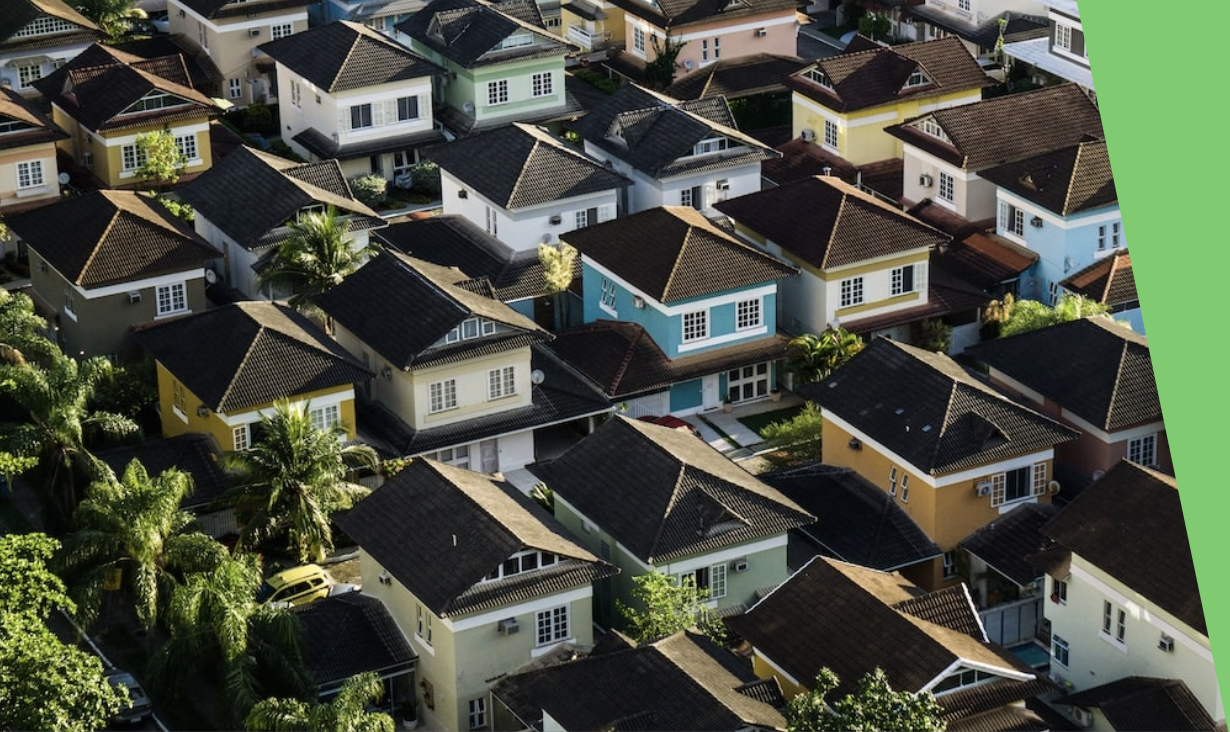
Lighthouse districts are in three cities: Trieste (Italy), Herning (Denmark) and Riga (Latvia).